
Why do some fruits ripen faster than others? And what makes ethylene application effective? Understanding the science behind ripening helps operators make better decisions and deliver more consistent fruit quality.
Why are early-season avocados harder to ripen?
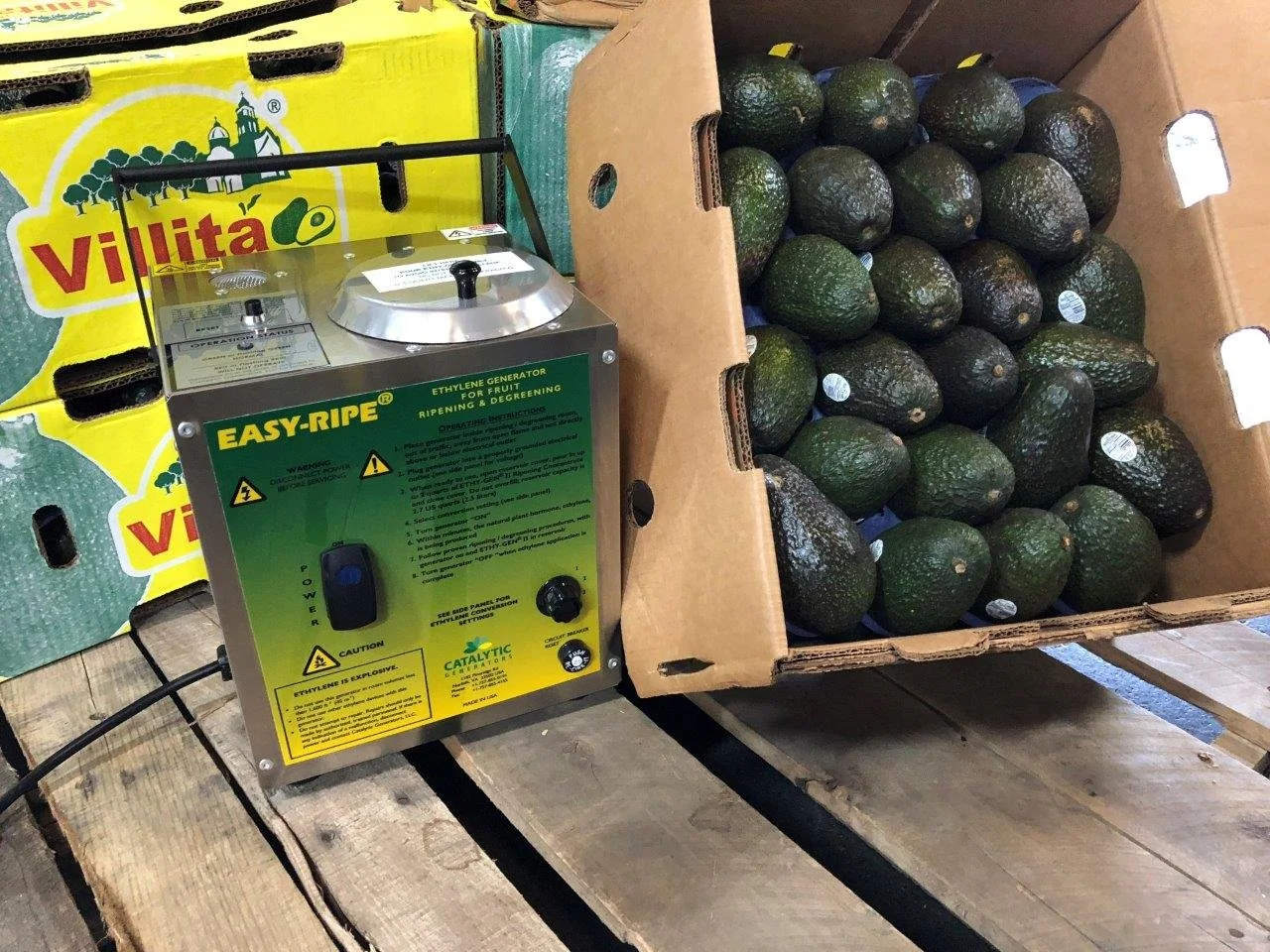
Not all avocados respond to ripening conditions in the same way. Fruit harvested early in the season is often less mature and may take longer to reach the desired firmness and eating quality. This matters for commercial ripeners who need to deliver fruit within specific time frames. A batch that takes longer than expected to ripen can disrupt delivery schedules, create inconsistencies in ready-to-eat programs, and make inventory management more challenging.
Ethylene treatment can help operators manage these differences. Research from the University of California, Davis, shows that early-season avocados generally require longer ethylene exposure than fruit harvested later in the season.
The important lesson is that ethylene application should take fruit maturity into account. Using exactly the same treatment for every batch may not produce the same results.
Is ethylene ripening natural or artificial?
One common misconception about commercial fruit ripening is that applying ethylene means forcing fruit to ripen artificially. In fact, ethylene is a naturally occurring plant hormone. Fruits such as bananas, avocados, and mangoes produce it themselves as part of their ripening process.
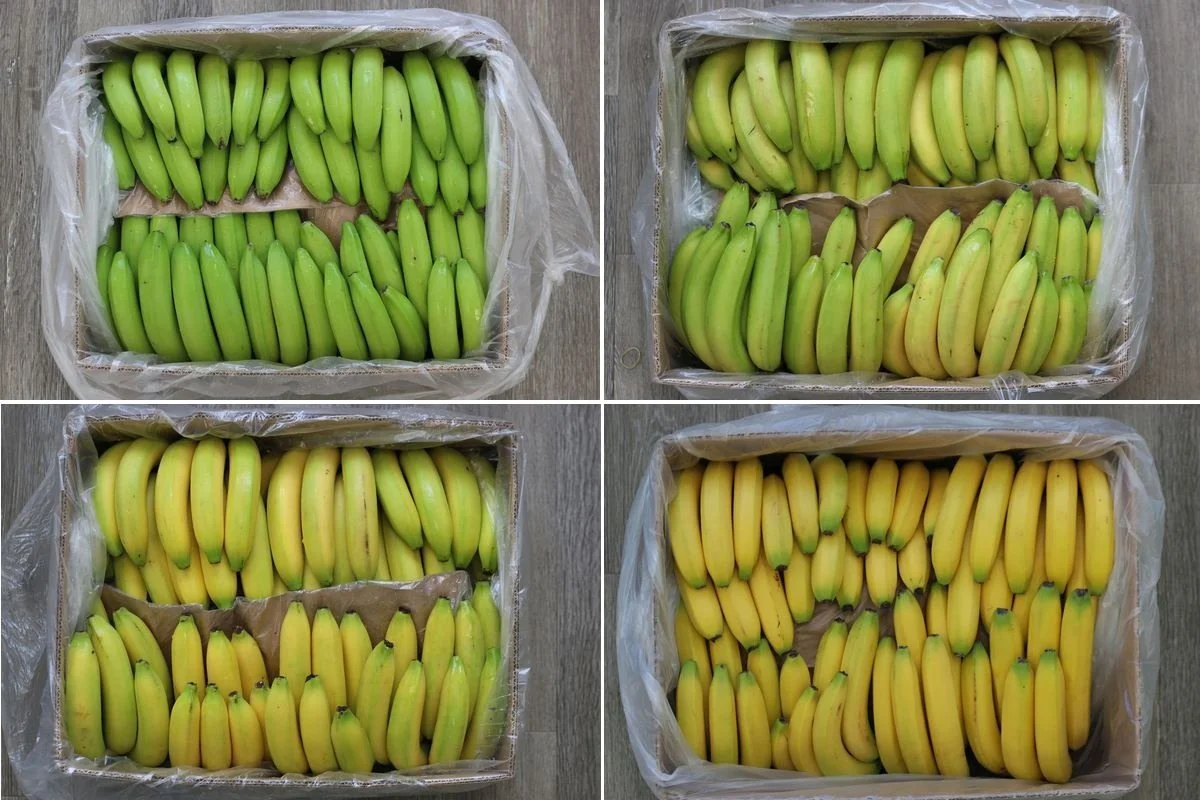
These fruits are known as climacteric fruits. As they ripen, ethylene helps trigger changes in firmness, color, flavor, and aroma.
Bananas show why external ethylene matters. Without it, they will eventually soften, but the color change is uneven. The peel stays dull and pale yellow, and the fruit may be unpalatable. Fruit like this has no commercial value.
Commercial ripening uses controlled ethylene exposure to initiate or accelerate these natural biological processes. The goal is to help fruit reach the desired stage of ripeness more predictably, rather than leave timing entirely to natural variation. However, ethylene cannot make immature fruit develop the same quality as properly mature fruit. The fruit's condition at harvest remains important.
Ripening specialists must inspect the fruit they are handling, assess its maturity and condition, and establish the appropriate treatment for the desired result.
Consistency also matters. Uneven conditions within a ripening room can lead to differences in firmness, color, and eating quality, making it harder to deliver a uniform product. The equipment used to supply ethylene is one part of this process. Whether operators use compressed gas or on-site generation, the objective is to achieve the appropriate ethylene exposure under carefully managed conditions.
Different systems have different operating requirements, but neither replaces the need to understand how fruit responds.
The key takeaway for commercial ripeners
Good ripening starts with understanding the fruit.
Ethylene is a natural part of the ripening process, and controlled application gives operators a way to manage when that process begins and how it develops.
But achieving consistent results requires more than ethylene alone. Fruit maturity, temperature, humidity, airflow, and ventilation all play important roles.
By understanding these factors and adjusting treatment to the needs of each batch, commercial ripeners can make more informed decisions, improve consistency, and deliver fruit at the right stage of ripeness.