
Some ripening professionals assume that ethylene generators are primarily intended for small ripening facilities.
In large-scale ripening operations, these ripeners have seen some legacy ripening facilities using centralized gas systems, extensive pipework and large ethylene cylinder installations supplying dozens of ripening rooms.
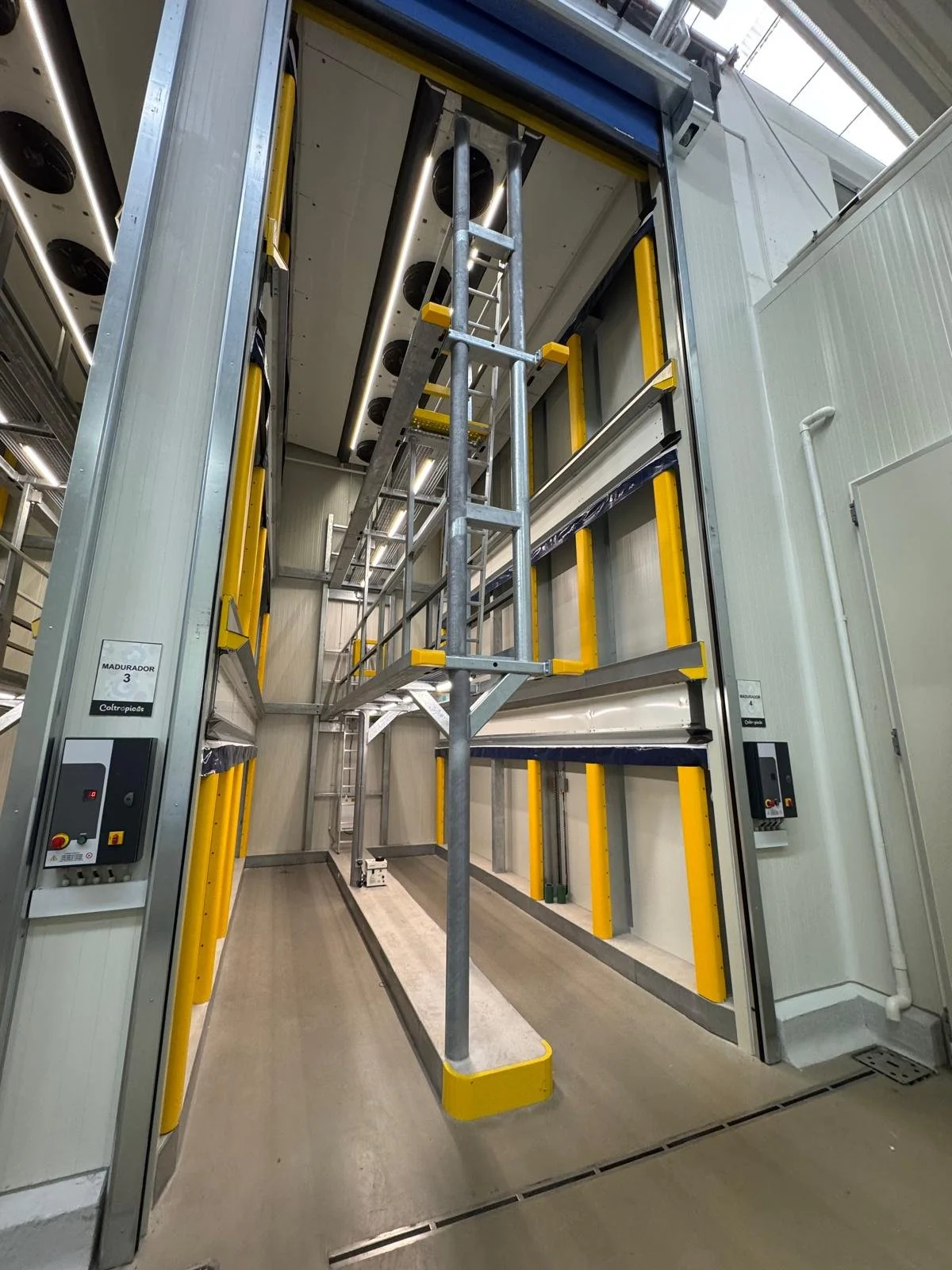
Yet for years, many of the world's largest fruit ripening operations use ethylene generators every day. In facilities with dozens of ripening rooms.
So where does this perception come from?
Part of the answer lies in the history of the industry. For many years, in some areas of the world, piped-in centralized gas systems became the standard approach for large facilities. As operations expanded, many companies naturally assumed that larger ripening capacity required larger and more complex ethylene delivery systems.
However, scale and complexity are not necessarily the same thing.
Modern generator-based systems offer a different approach. Rather than distributing ethylene from a central source through a network of pipes and valves, generators produce ethylene directly where it is needed, inside the ripening room itself.
This creates an important advantage: scalability through replication.
Instead of redesigning infrastructure every time capacity increases, operators can simply add additional generators as new rooms come online. Each room remains independent, while the overall ripening operation continues to grow.
This flexibility is one of the reasons why generator-based systems are used by both smaller regional operators and some of the largest commercial ripeners in the world.
A recent example can be found at Fruchtimport vanWylick in Germany, one of Europe's leading banana ripening operations, with a ripening capacity exceeding 230,000 boxes per week. The company uses Catalytic Generators' Easy-Ripe® system as part of its ripening strategy, demonstrating that generator-based ethylene application can successfully support high-volume operations.
For large facilities, another consideration is operational resilience.
When a centralized system experiences a failure, multiple rooms may potentially be affected. With independent room-based generators, operators have greater flexibility and can reduce the risk of a single point of failure impacting an entire ripening program.
This does not mean that one approach is always better than another. Every operation has its own requirements, infrastructure and operational preferences.
What it does mean is that generator-based ethylene application should not be viewed as a solution only for smaller facilities.
Today's ripening industry is increasingly focused on reliability, flexibility and operational simplicity. As facilities continue to evolve, many operators are discovering that scalability is not determined by the size of the equipment, but by how effectively the system can grow alongside the business.
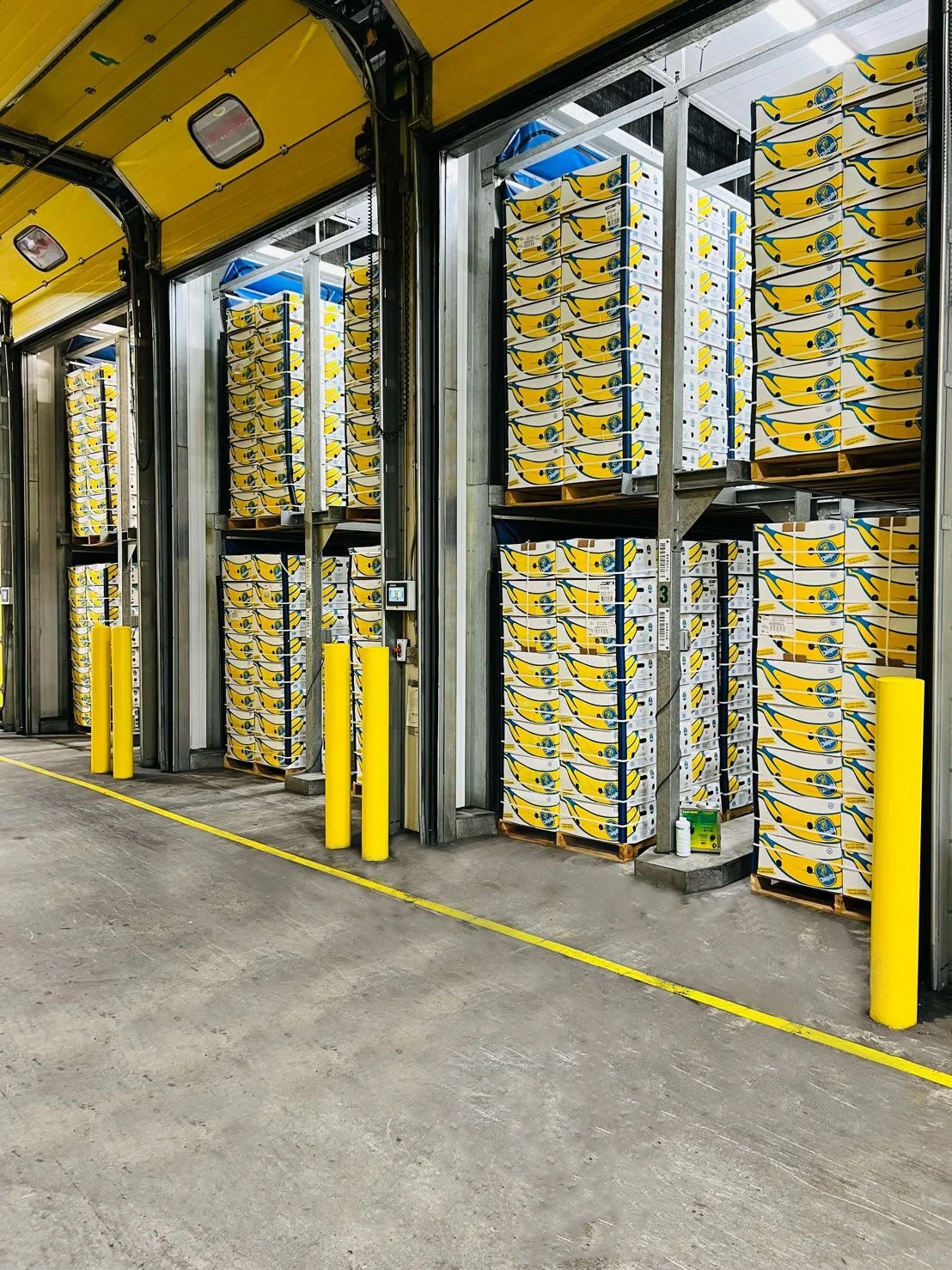
The question is no longer whether ethylene generators can support large-scale ripening operations.
The question is how many operators may be overlooking a solution that is already helping some of the industry's largest facilities ripen fruit successfully every day.