

Retailers, however, think about it every day.
They think about consistency. They think about shelf life. They think about waste. They think about increasing sales through customer satisfaction. And increasingly, they think about delivering the same eating experience every time a consumer purchases a banana, avocado or other ready-to-eat fruit.
As a result, fruit ripening has evolved significantly over the past two decades.
What was once considered a largely operational activity has become an increasingly important part of quality management and supply chain performance. Today, ripening operators are expected not only to bring fruit to the correct stage of maturity, but to do so consistently, safely and predictably, often across multiple facilities and distribution networks.
Several factors are driving this change.
The first is the growing demand for consistency. Modern retailers operate highly sophisticated supply chains and consumers expect fruit to meet the same quality standards regardless of where or when it is purchased. A banana that arrives too green, an avocado that takes too long to ripen or fruit with limited shelf life can quickly lead to waste, customer complaints and lost sales.
The second factor is the growth of ready-to-eat fruit programs. Bananas, avocados, mangoes and other climacteric fruits are increasingly marketed around convenience and eating quality. This places additional pressure on ripening operators to deliver fruit that meets precise specifications for color, texture and shelf life.
At the same time, sustainability objectives are encouraging companies throughout the supply chain to reduce food waste wherever possible. Consistent ripening practices help support this objective by improving predictability and reducing the risk of fruit being rejected, returned or discarded before reaching consumers.
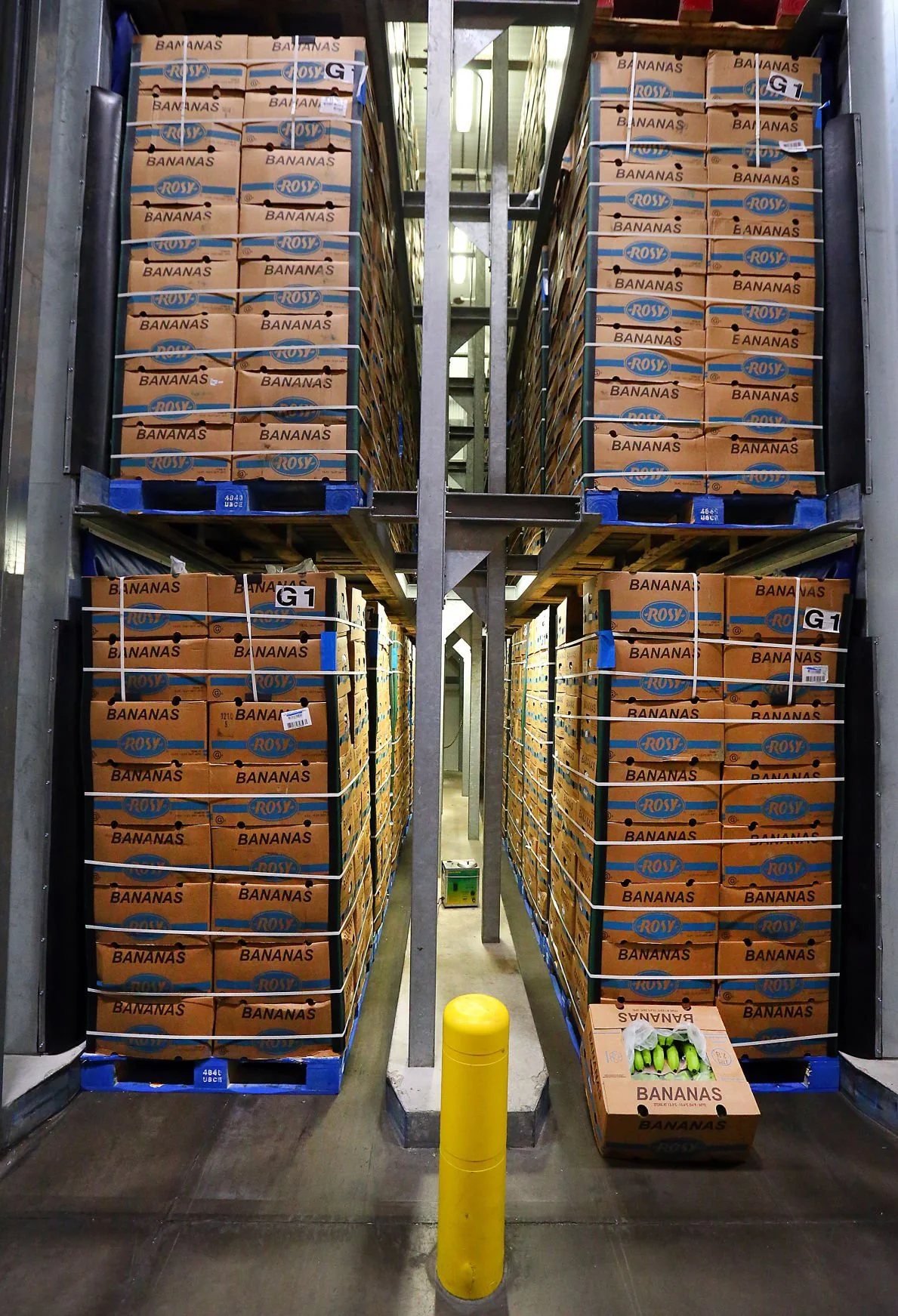
Technology has also played an important role in the professionalization of ripening operations. Modern facilities have access to better environmental controls, improved monitoring systems and more sophisticated approaches to ethylene application. These tools help operators achieve greater repeatability while simplifying day-to-day management.
However, technology alone is not enough.
Successful ripening operations continue to depend on experienced professionals who understand fruit physiology, seasonal variations, customer requirements and market demands. The most successful companies combine this expertise with reliable systems and well-defined operational processes.
This trend is visible across many regions of the world. Whether in Europe, North America, Latin America, Australia or Asia, ripening operators are investing in greater control, consistency and operational reliability. While technologies and facilities may differ, the objectives are remarkably similar: deliver high-quality fruit, reduce waste and meet increasingly demanding customer expectations.
Consumers may rarely think about fruit ripening.
But for retailers, distributors and ripening professionals, it has become one of the most important factors in delivering a successful fresh produce program